Round table with EMERCOM: where science meets practice
14.10.2026 · 2 min read · 📍 Vladivostok, Russia
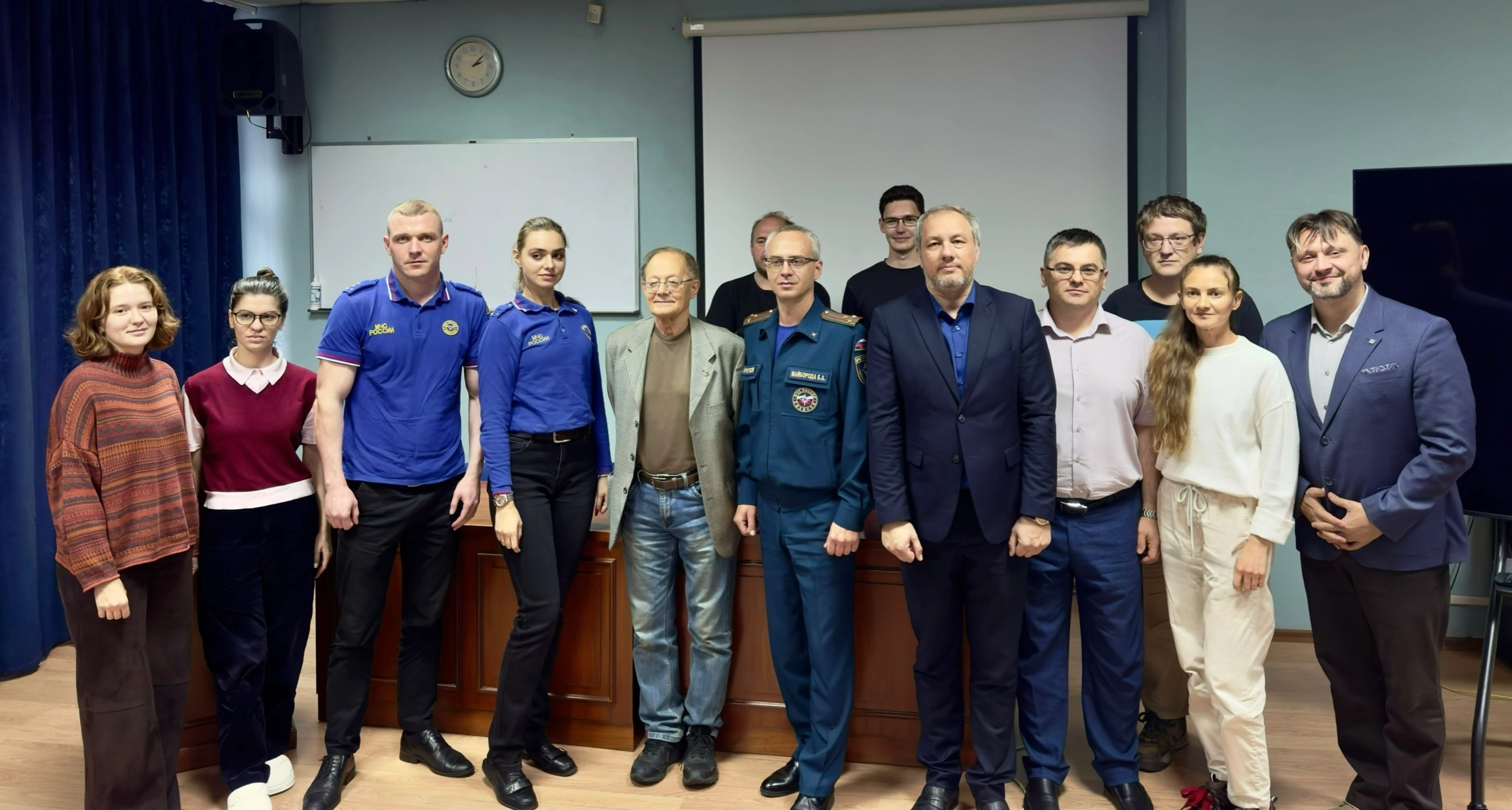
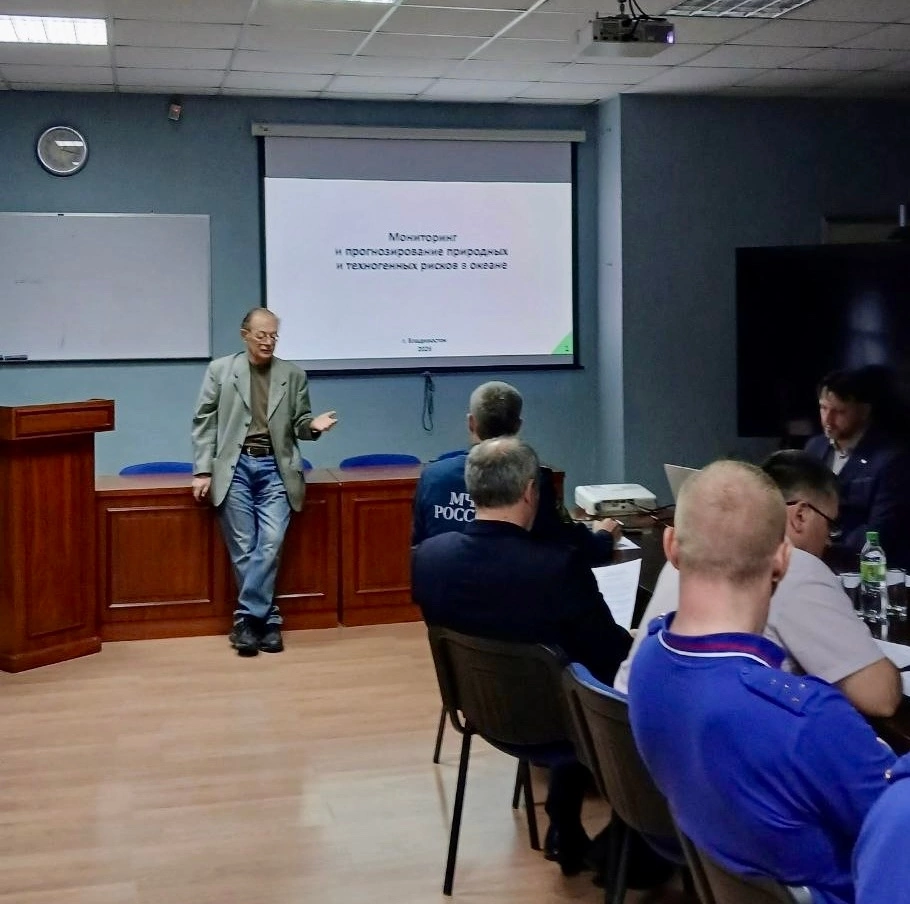
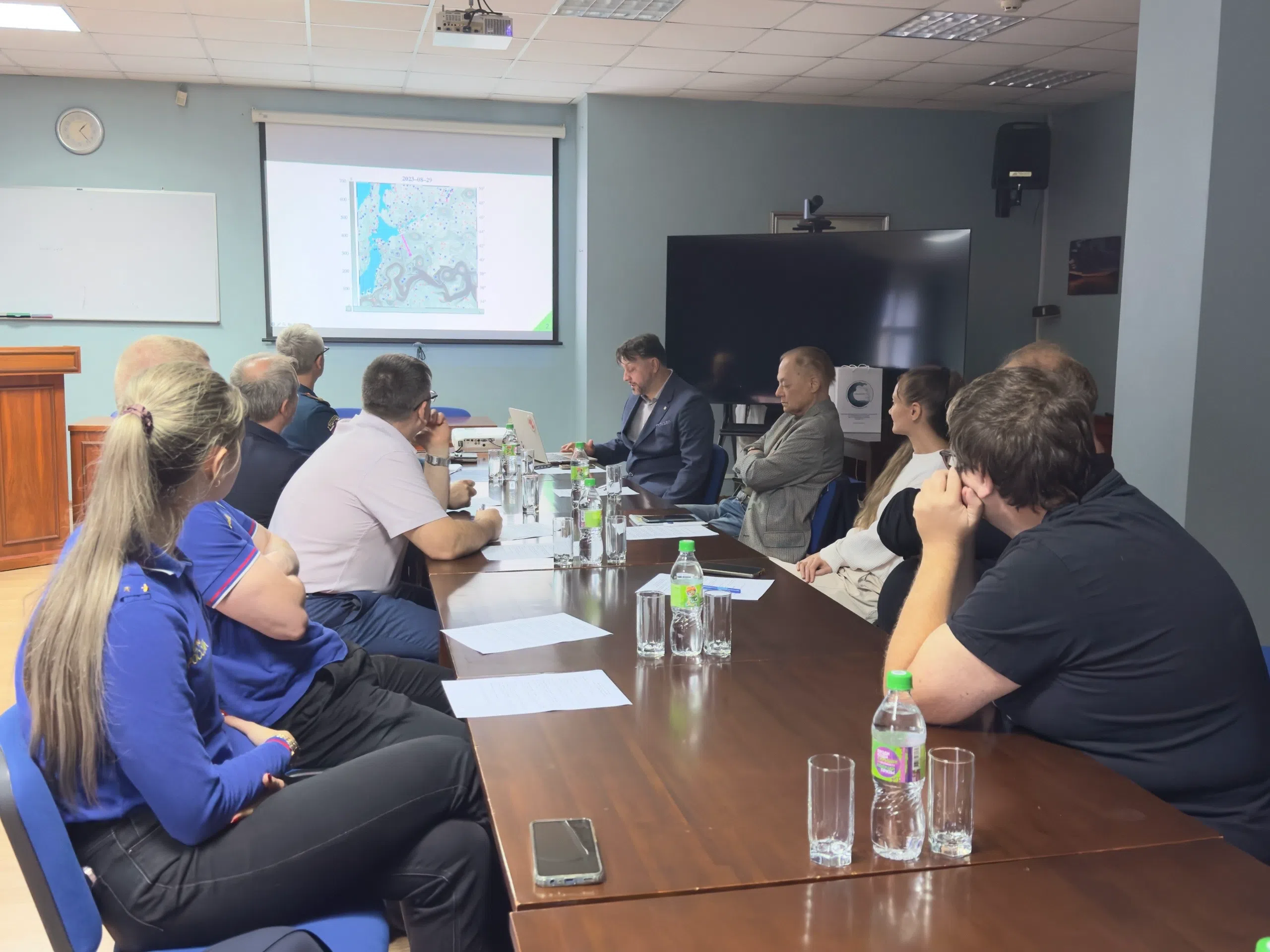
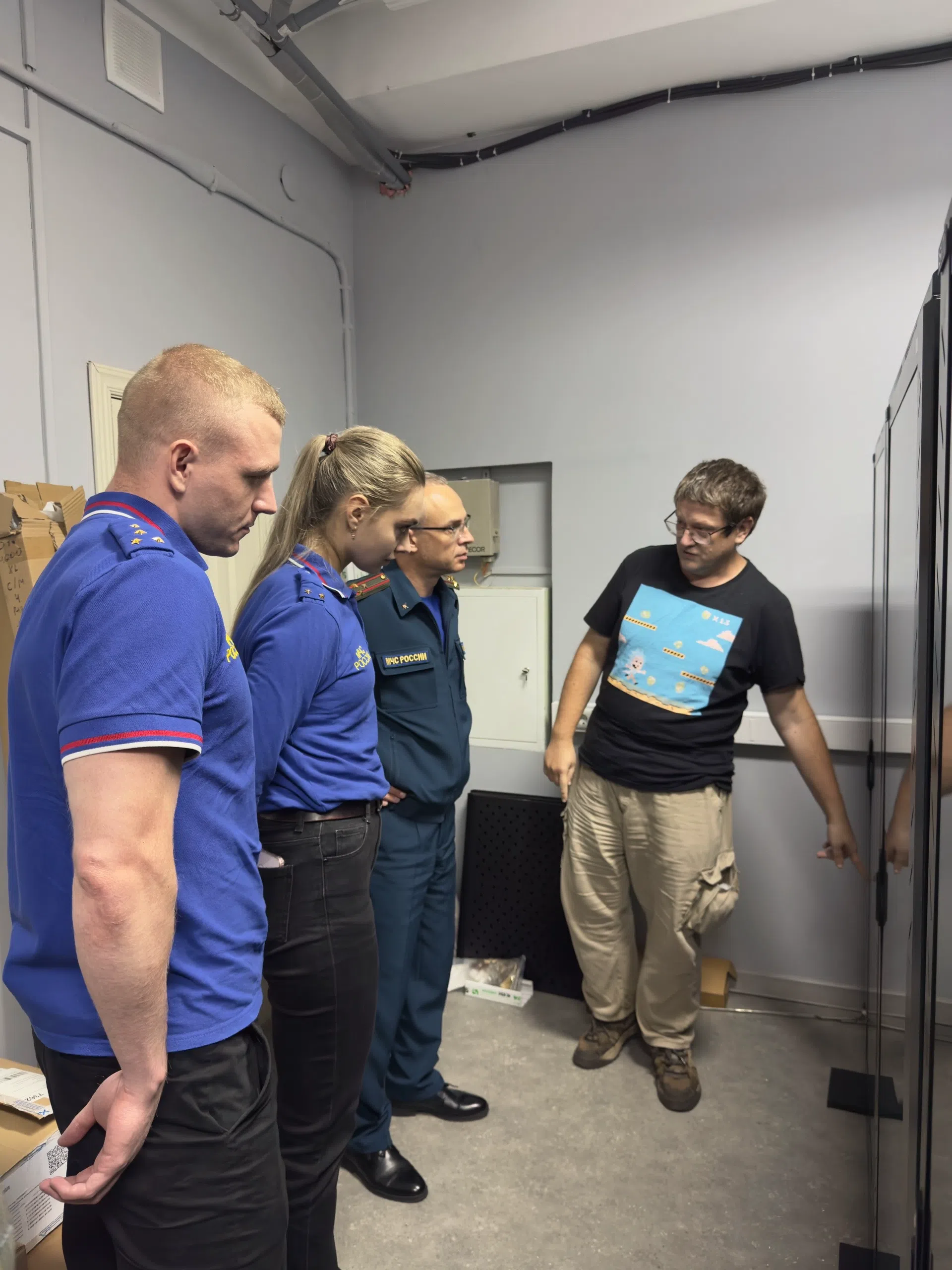
On 13 October, the V.I. Il'ichev Pacific Oceanological Institute (POI FEB RAS) hosted a round table on "Monitoring and Forecasting of Natural and Man-Made Risks in the Ocean," organised jointly with the Main Directorate of the Russian Ministry of Emergency Situations (EMERCOM) for Primorsky Krai.
The Laboratory of Nonlinear Dynamical Systems presented its areas of work. Sergey V. Prants, head of the laboratory, spoke on modelling and operational forecasting of oil spill and radionuclide dispersion after industrial accidents. Maksim V. Budyansky, a leading researcher, covered the monitoring and forecasting of natural and man-made risks in the ocean more broadly.
The topic is directly connected to the methods being developed in the laboratory: algorithms for tracking the structure of currents and eddies are the foundation for understanding where exactly pollution will travel and where it may linger. The round table offered a chance to see how these developments map onto EMERCOM's real-world tasks — and where, conversely, they fall short.
After the talks, participants discussed at length how POI's science-intensive solutions could be integrated into the operational work of emergency responders. It was very much a get-acquainted meeting: not a report for its own sake, but an attempt to find where the laboratory's capabilities align with the agency's needs. The conversation turned out productive and — as rarely happens at such events — fairly concrete. As a result, some agreements on further cooperation were reached.
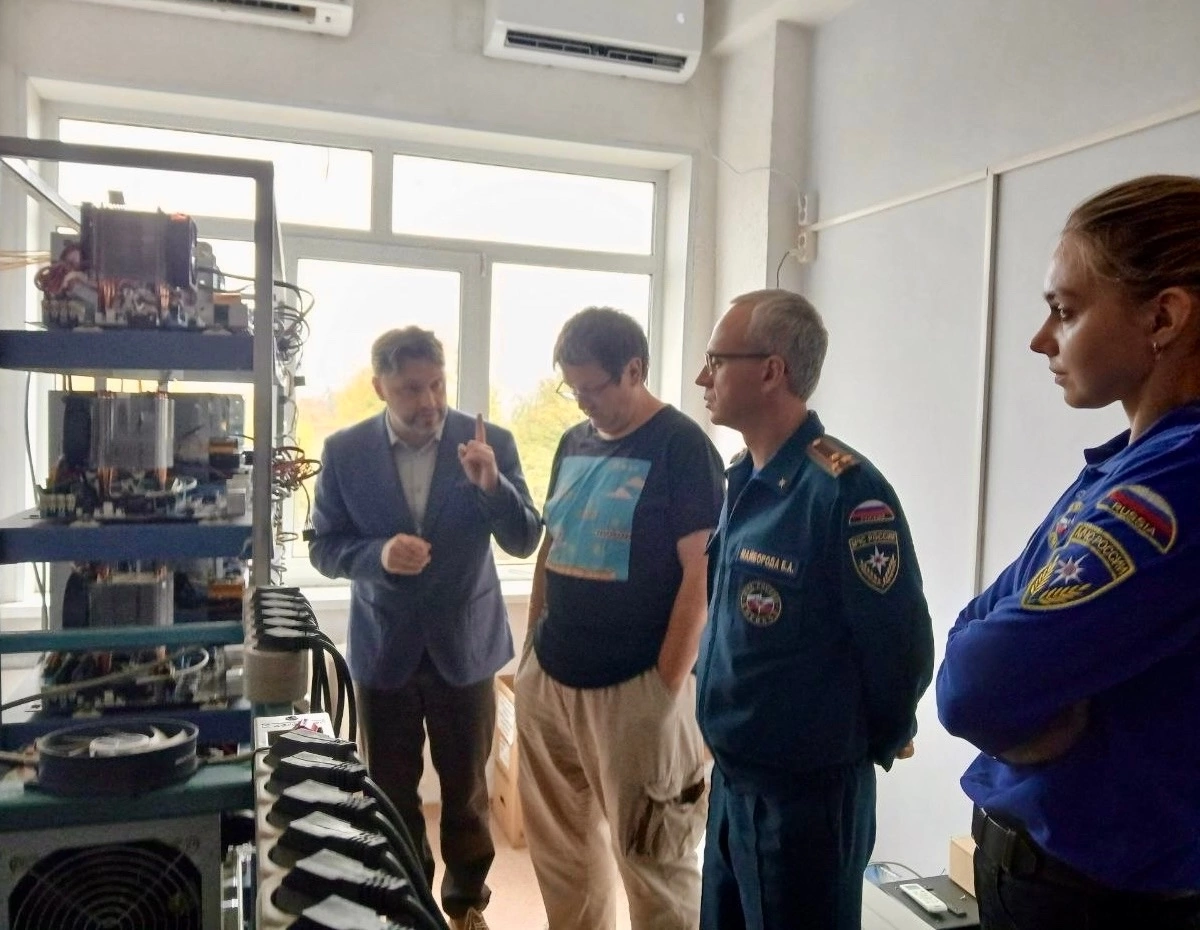
Guests were also shown the high-performance computing cluster — the very infrastructure on which the laboratory's models are run.
The impression afterwards was calm and businesslike. It's encouraging when the laboratory's work draws practical interest from those who deal with real risks, not only from the academic community. We'll see what grows out of these agreements.